09 October 2026
Best HPI Check Websites UK: 2026 Comparison
Compare UK HPI car history check websites in 2026, including Carpeep, HPI, AA, RAC, CarVertical and Total Car Check.
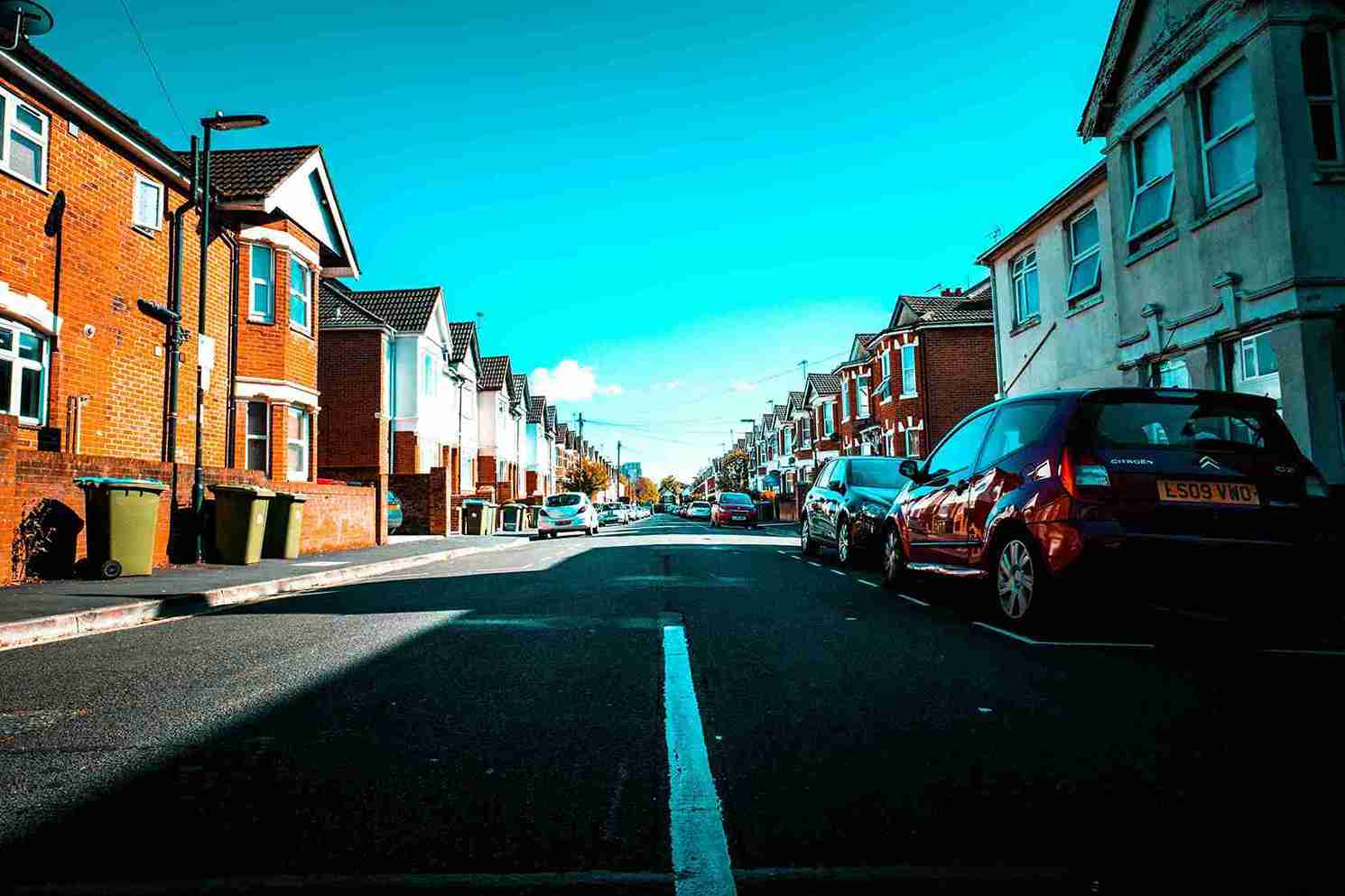
You passed your test. Now you need a car that won't drain your bank account or leave you stranded. Insurance, running costs, maintenance, reliability. That's what actually matters when you're buying your first used car, not how it looks on your Instagram.
Before you go see anything, run the reg through a vehicle history check. It pulls MOT patterns, finance flags, mileage anomalies and ownership history into one place. Five minutes now saves you a wasted Saturday later.
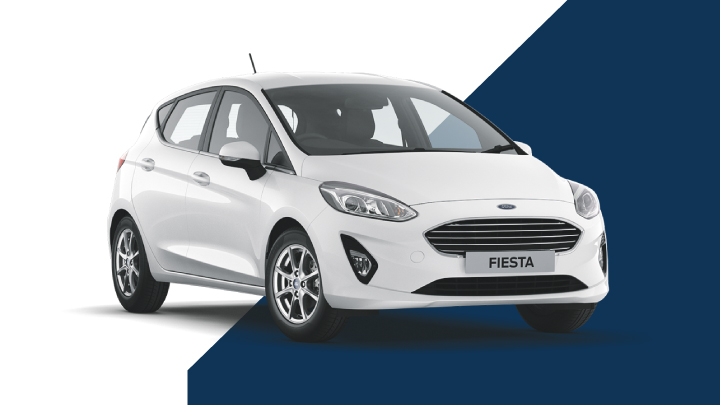
The Fiesta is the UK's default first car for a reason. Tons of used examples, cheap parts, garages that know them inside out. Fun to drive, too, which is a bonus when most of this list is just "sensible." You'll find loads on AutoTrader.
The catch: you need to know about the 1.0 EcoBoost wet belt engine. Fiestas from roughly 2012 to the late 2010s use a timing belt that sits submerged in engine oil. When it starts shedding material, it clogs oil pickups and can kill the engine. This isn't a "might be a problem" thing. It's a known failure mode and repairs are expensive.
Later mild-hybrid 1.0 EcoBoost Fiestas switched to a timing chain, which removes this risk. But always confirm which engine you're looking at. A Fiesta with the right engine and a clean service history is a genuinely good first car. One with a neglected wet belt is a money pit waiting to happen.
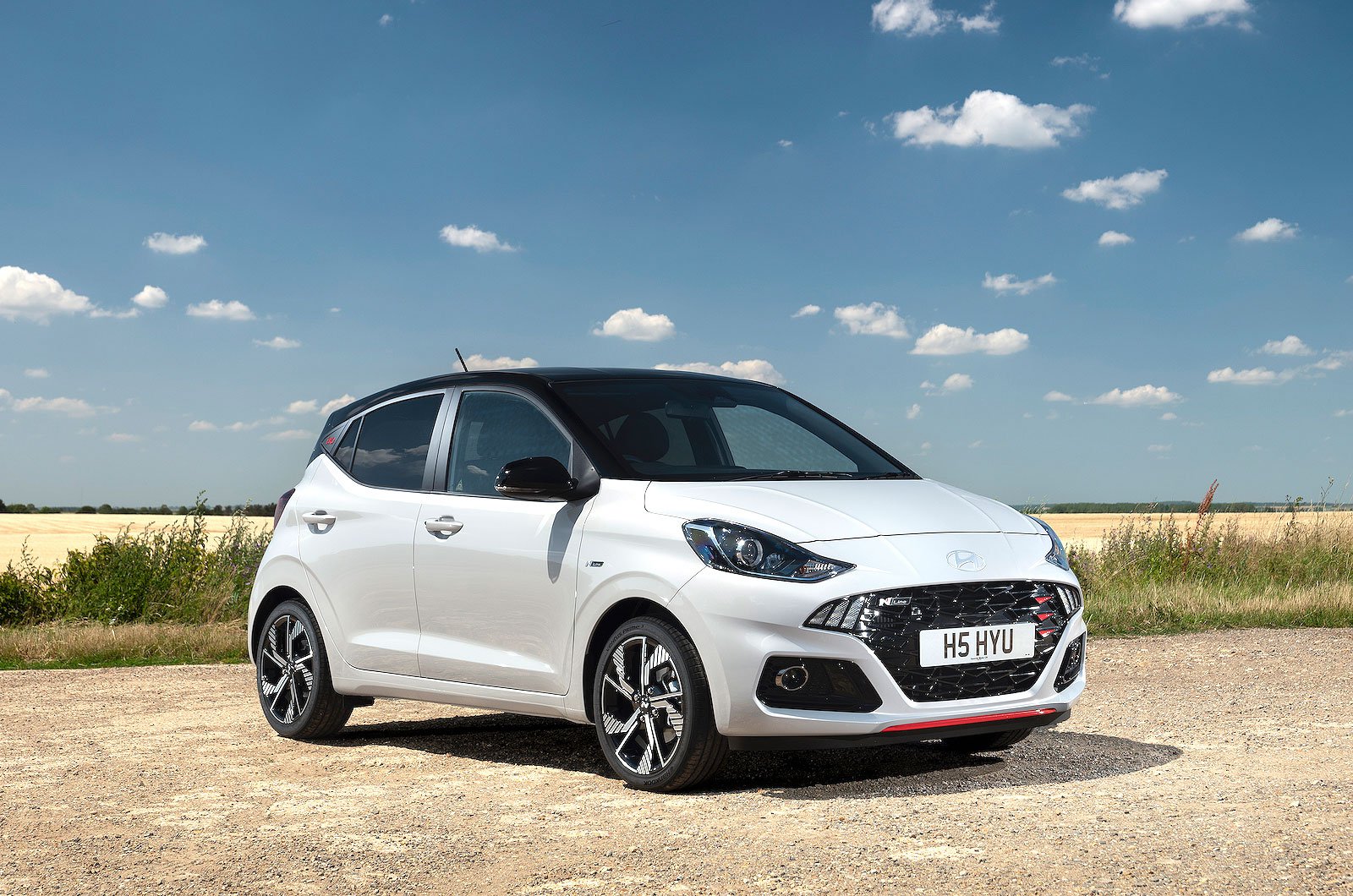
Probably the most boring car on this list, and I mean that as a compliment. The i10 just works. Cheap to run, cheap to insure (the RAC regularly lists it among the cheapest for new drivers), and nothing weird to worry about mechanically.
Older models are pretty basic inside and they're not great on motorways. But for getting around town, commuting, and not thinking about your car, it's hard to beat. If you want a first car that just disappears into the background of your life, this is it.
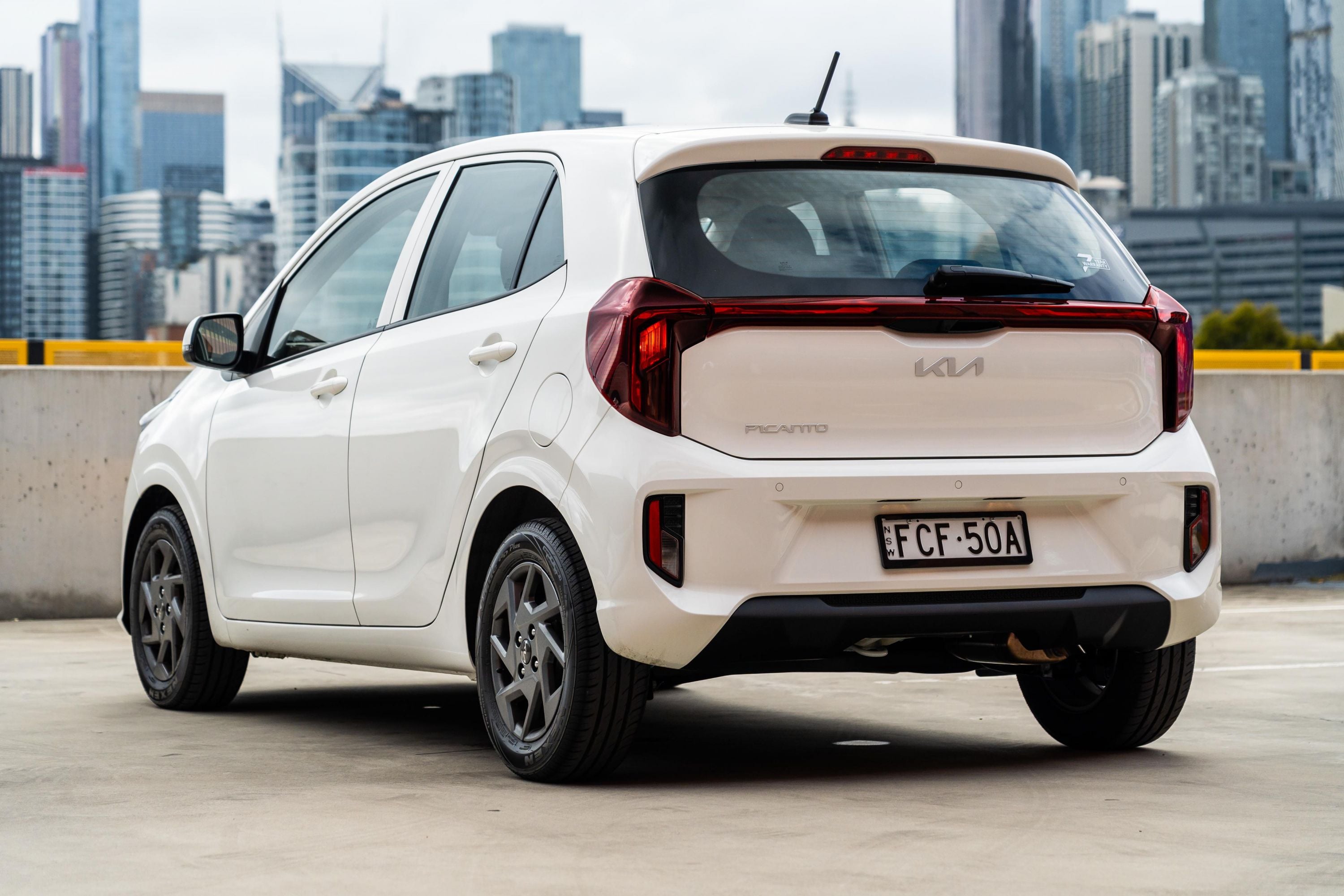
Very similar proposition to the i10. Same ballpark on insurance and running costs, often with a slightly nicer interior. The ride isn't as polished as a bigger car, but you're not buying a Picanto for the motorway experience. It's a city car that costs almost nothing to keep on the road.
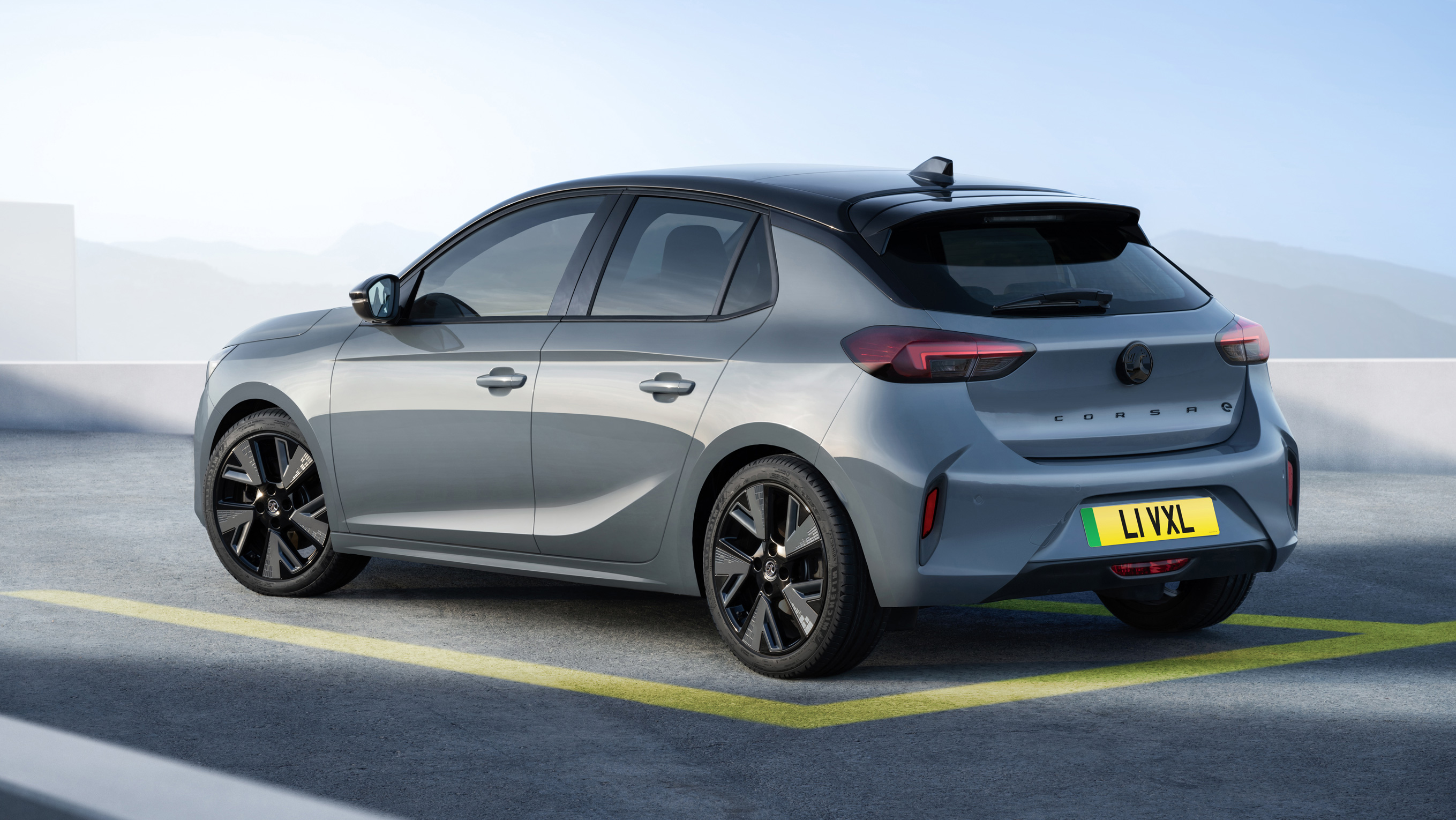
A bit more car than the smallest hatchbacks. More room, still easy enough to insure, and spares are everywhere.
The thing with Corsas is condition varies massively. Some have been looked after, others have been driven into the ground by three previous owners who never serviced them. A Vauxhall history check is worth doing here because the gap between a well-maintained Corsa and a neglected one is the difference between a good first car and a headache.
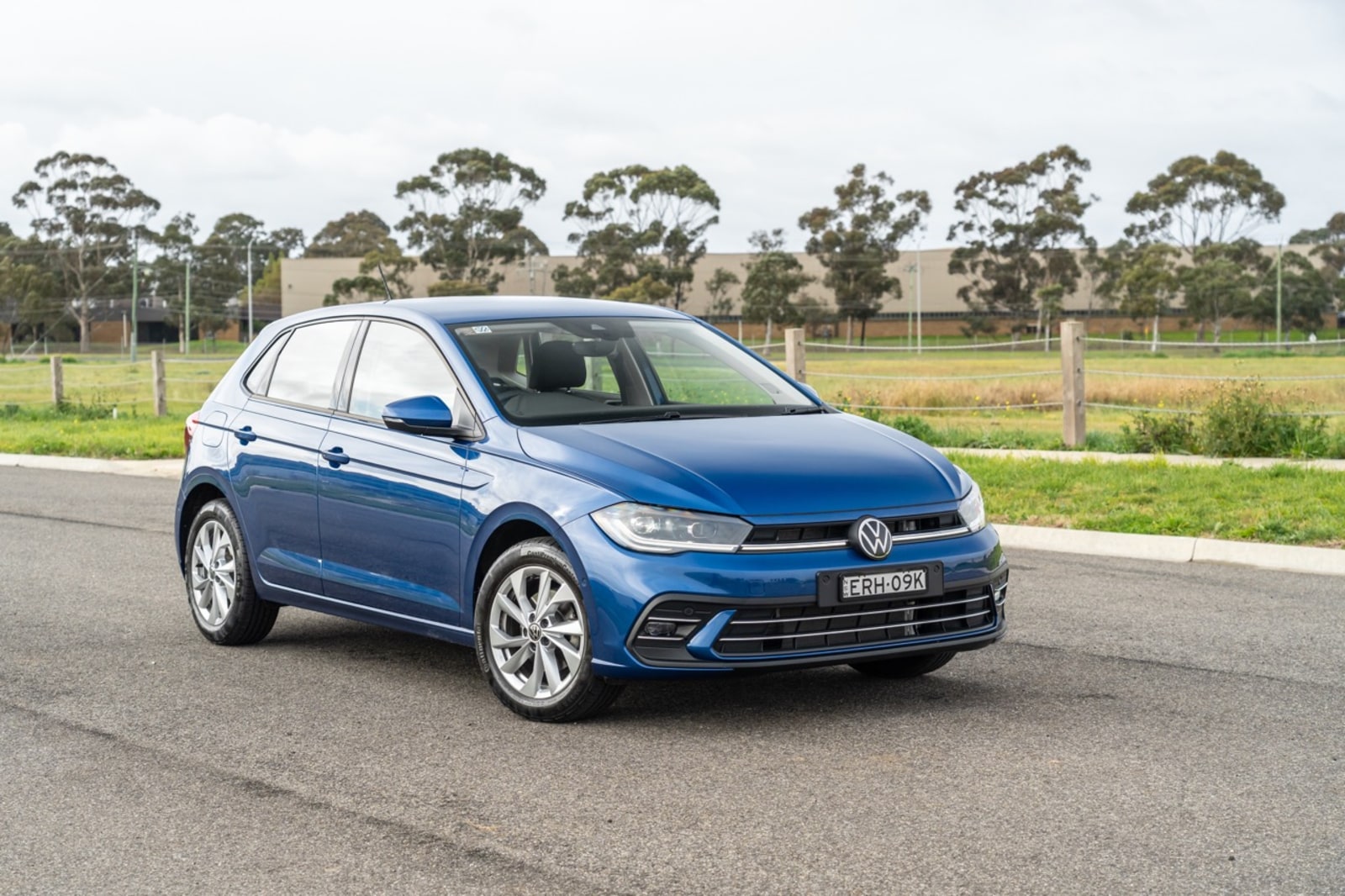
A step up in refinement from the city cars. Better on longer drives, quieter cabin, feels more solid. You pay for that though, both on the sticker price and on insurance, which tends to sit a bit higher than the smallest hatchbacks.
Worth it if your budget stretches and you're doing more than just town driving. Run a VW history check before committing, as older Polos can carry hidden service gaps that aren't obvious from a quick look.
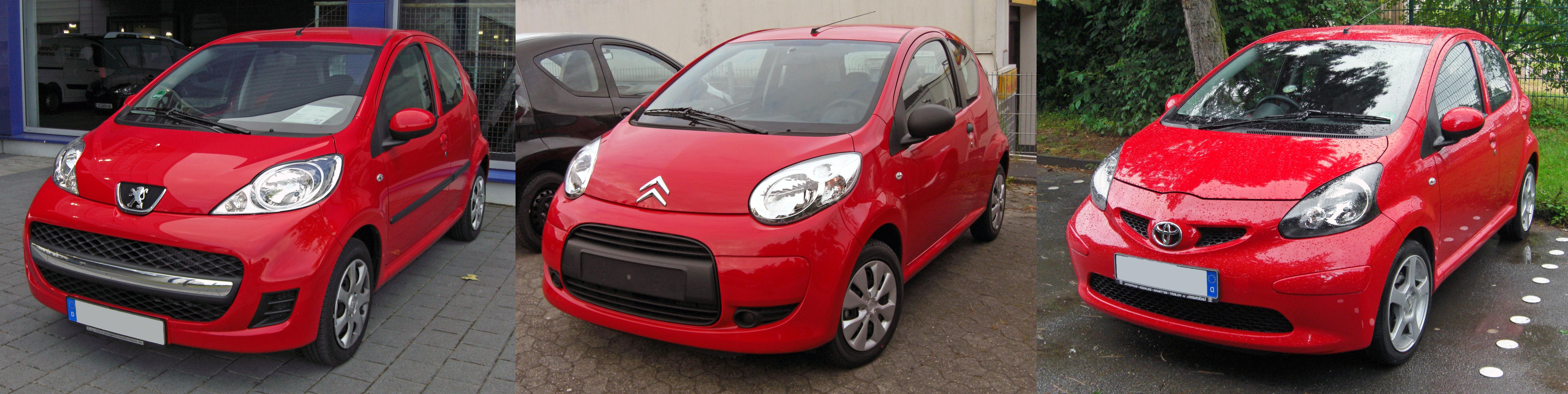
These three are basically the same car with different badges (they were built in the same factory). Tiny, dirt cheap to insure, cheap to run, easy to park. If your driving is mostly local, they're the lowest cost option on this list by some distance.
The tradeoff: they're slow on dual carriageways and the cabin is basic. But if you mostly need to get from A to B around town without spending much, they do that job better than anything else here.
There are more affordable used EVs now, older Leafs and Zoes and the like, but they're still a harder first car for most people in 2026. Used ones with decent range tend to cost more than the petrol cars on this list. Battery health isn't something you can judge from a quick viewing, you often need specialist tools. And if you don't have home charging, you're relying on public chargers, which adds time and cost.
If you have a driveway with a charger and can verify battery condition, an EV can work well. But for most first time buyers on a tight budget, a small petrol car is still the simpler choice. AutoTrader's EV section has more detail if you want to explore that route.
The price on the advert is only part of the cost. Here's what to actually do:
| Model | Typical 2026 used price | Insurance | Notes |
|---|---|---|---|
| Fiesta (safe engines) | £3k-£8k | Medium | Good parts and handling; avoid wet belt engines |
| Hyundai i10 | £4k-£8k | Very good | Simple, cheap to own |
| Kia Picanto | £4k-£8k | Very good | Affordable, slightly nicer interior |
| Vauxhall Corsa | £3k-£7k | Good | More room, but condition varies |
| VW Polo | £4k-£8k | Medium | More refined, costs a bit more |
| Aygo/C1/107 | £1.5k-£5k | Excellent | Cheapest option overall |
Your first car doesn't need to be exciting. It needs to start every morning, cost you as little as possible, and not come with surprises. Pick something well maintained, check its history before you spend time or money on it, and get insurance quotes before you get attached. That's really all there is to it.
Hidden finance and write-offs won't show up on a test drive.
Instant results • All checks included
Swipe to explore more