If you’re buying a car to put on Uber, Bolt or any private hire platform, this isn’t a lifestyle purchase. It’s a business asset.
That car will either:
- Generate consistent weekly cash flow
- Or quietly drain you with repairs, downtime and compliance issues
Before you look at leather seats or spec level, you need to answer one question:
Is this car financially safe to operate as a PCO vehicle?
A proper car history check is step one.
Run a full vehicle history check before you commit.
Why a History Check Matters More for PCO Drivers
When you’re driving 30,000–50,000 miles per year, small issues become big ones fast.
A hidden accident repair.
An outstanding finance agreement.
A mileage discrepancy.
A category write-off.
Any of these can:
- Void insurance
- Get your vehicle rejected for a TfL private hire vehicle licence or other local licensing approvals
- Destroy resale value
- Leave you without income while problems are sorted
For a private buyer, that’s inconvenient.
For a PCO driver, that’s lost revenue.
1. Outstanding Finance – The Silent Risk
If a car has outstanding finance, it legally belongs to the finance company until cleared.
If you buy it privately and the debt isn’t settled:
- The lender can repossess the vehicle
- You lose both the car and your money
For a PCO driver, that’s instant shutdown of income.
A history check will show:
- Active finance agreements
- The type of finance
- The lender
Never rely on “the seller said it’s paid off.” Verify it.
2. Insurance Write-Offs (Cat S / Cat N)
Many minicab drivers try to save money by buying cheaper vehicles. Some of those are previously written off.
There’s nothing automatically wrong with Cat N or even Cat S if repaired properly — but you need to know:
- Was it structural damage?
- Was it repaired professionally?
- Does your insurer accept it?
- Will TfL accept it?
Some insurers increase premiums. Some PCO insurers refuse entirely.
If you discover it after purchase, you’re stuck.
A history check flags write-off categories immediately.
3. Mileage Fraud – The Profit Killer
Mileage clocking still happens.
If you’re buying a 5-year-old hybrid showing 90,000 miles but it actually did 180,000, here’s what happens:
- You overpay
- You inherit major wear (battery, suspension, gearbox)
- Your maintenance costs spike
- Your resale value collapses
A history check compares recorded mileage from:
In a high-mileage business like PCO, mileage accuracy is non-negotiable.
4. Stolen Vehicle Check
If a car is flagged as stolen:
- Police seize it
- You lose the vehicle
- You lose the purchase money
A simple history check removes that risk.
5. Plate Changes and Identity Issues
Some vehicles have had multiple number plate changes.
That’s not illegal, but it can:
- Hide past damage history
- Mask previous use
- Complicate tracking service records
A history report shows previous registrations so nothing is hidden.
6. Taxi / Private Hire Previous Use
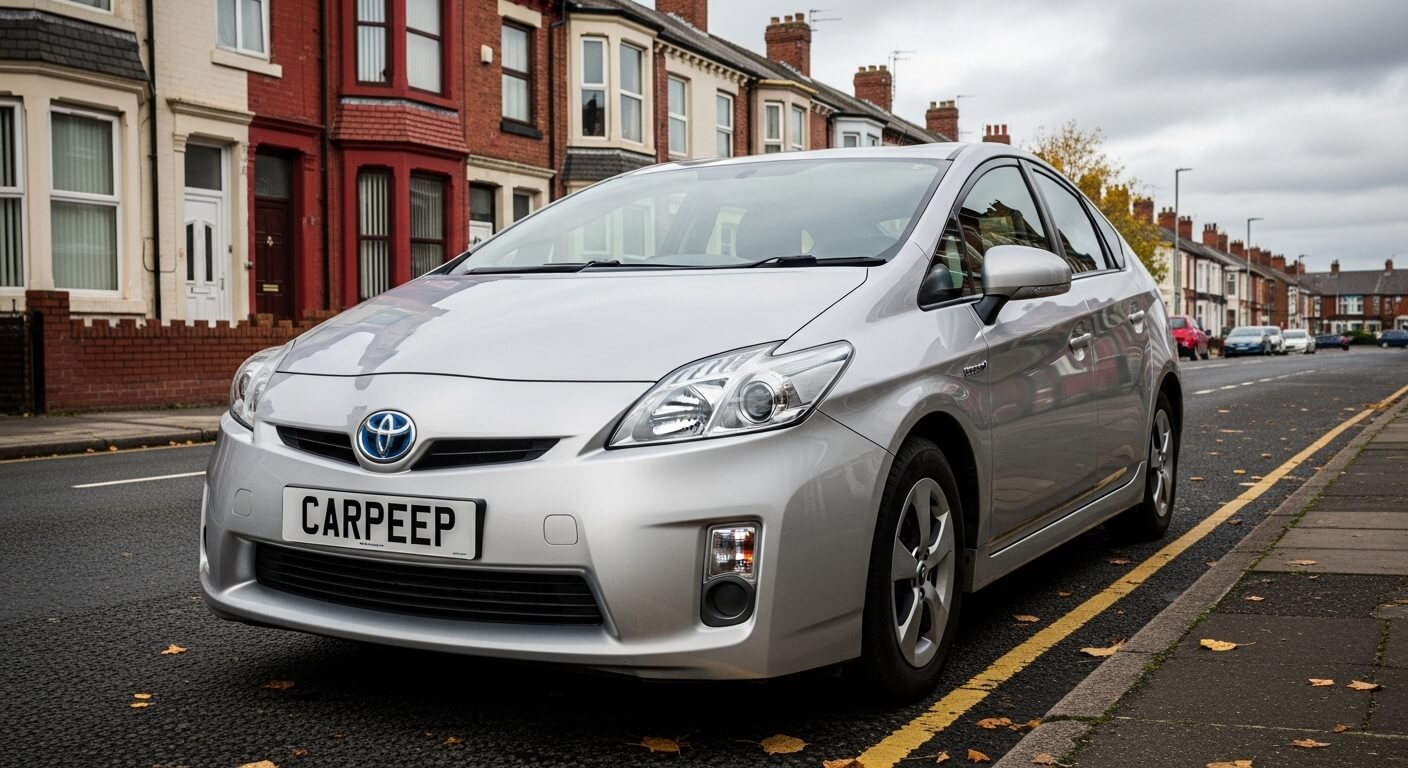
If you’re buying a used Prius, Corolla Hybrid, Ioniq or similar, assume it may have been a taxi before.
That’s not automatically bad. But consider:
- Was it running 24/7 shifts?
- Was servicing actually done on time?
- Is the hybrid battery healthy?
Heavy-duty use without proper servicing shortens lifespan dramatically.
A history check combined with MOT history helps you see patterns:
- Frequent advisory items
- Suspension wear
- Brake issues
- Emissions warnings
You’re buying a tool. Tools must be reliable.
7. Check Before You Commit, Not After
Too many drivers:
- Agree the deal
- Transfer deposit
- Then run a check
That’s backwards.
Run the history check before:
- Paying a deposit
- Travelling long distance
- Booking inspections
- Applying for PCO licensing
It’s a small cost relative to:
- 1 week of lost Uber income
- 1 major repair
- 1 rejected licensing application
What Makes a Good PCO Vehicle From a Risk Perspective?
From a business standpoint, you want:
- Clean history (no structural write-offs ideally)
- Verified mileage
- No outstanding finance
- Strong MOT pattern (no recurring major faults)
- No major accident record
Hybrids are popular for fuel efficiency, but battery health and service history matter more than badge.
Think Like an Operator, Not a Buyer
You’re not buying a car.
You’re buying an income-producing machine.
Your focus should be:
- Reliability
- Compliance
- Running cost
- Resale strength
A clean car history doesn’t guarantee perfection.
But a dirty history almost guarantees future friction.
And friction in PCO equals downtime.
Downtime equals zero revenue.
Final Thought
Margins in minicab work are tighter than most people admit.
Fuel, insurance, licensing, servicing, platform commission — it adds up fast.
The last thing you need is hidden damage, finance disputes or mileage fraud eating into your profits.
Run a proper vehicle history check before committing.
It’s not paranoia.
It’s business discipline.