I'll never forget the phone call my friend Dave received three months after he bought his dream BMW from a private seller. A finance company was on the line, informing him they'd be collecting "their" car. Despite paying £8,500 in cash, Dave was about to lose the vehicle because the previous owner hadn't cleared their outstanding finance agreement. It was a devastating lesson that could have been avoided with a simple car history check.
If you're in the market for a used car in the UK, understanding how to properly check its history—particularly for outstanding finance and write-off records—isn't just helpful, it's essential. Let me walk you through everything you need to know to protect yourself from similar heartbreak.
Why Car History Checks Are Non-Negotiable
When you're buying a used vehicle, what you see isn't always what you get. That pristine-looking hatchback might have hidden debts attached to it, or that bargain estate car could have been declared a total loss by insurers after a serious accident. Here's the sobering reality: over 2,200 insurance write-offs are discovered daily through vehicle checks in the UK, and thousands more cars have outstanding finance that could lead to repossession.
The truth is, if you buy a car with outstanding finance, the lender legally owns it—not the seller. They can repossess the vehicle from you, even though you've paid for it in good faith. Similarly, purchasing a previously written-off car without knowing its category could mean you're driving something unsafe or even illegal to have on the road.
Understanding Outstanding Finance: The Hidden Debt Trap
Outstanding finance is one of the most common and costly pitfalls when buying a used car. Many vehicles are purchased through hire purchase (HP) or personal contract purchase (PCP) agreements, and technically, the finance company owns the car until the final payment is made. If someone sells you a car before settling their finance, that debt transfers with the vehicle—and so does the lender's right to reclaim it.
Here's how to check for outstanding finance properly:
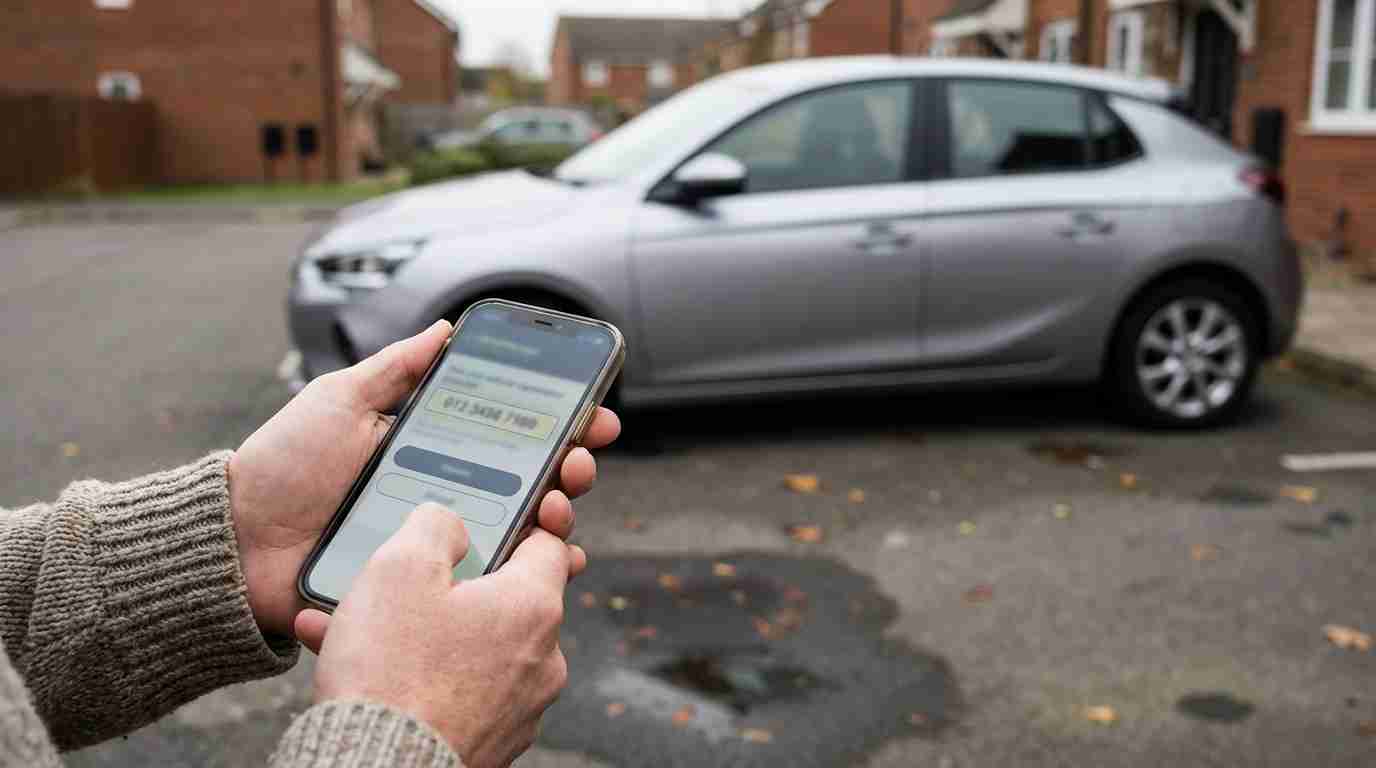
Use a Comprehensive Vehicle Check Service: Services like Carpeep aggregate data from major UK finance houses to instantly reveal whether there's an active loan or finance agreement on a vehicle. Simply enter the registration number, and within seconds you'll know if there's a financial claim on the car, who the lender is, and what type of agreement exists.
Don't Rely on Free Checks Alone: While the DVLA's free service will tell you about tax and MOT status, it won't reveal finance details. Only paid, comprehensive checks access the databases that hold finance information.
Get Written Confirmation: If you're buying privately and the seller claims they've cleared any finance, ask them to provide a settlement letter from the lender. This document proves the debt has been paid in full and should include the vehicle's registration number.
The investment in a proper finance check costs a fraction of what you'd lose if the car gets repossessed. Think of it as insurance for your purchase—one that pays for itself the moment it reveals a problem you can walk away from.
Decoding Write-Off Categories: What Cat S and Cat N Really Mean
Vehicle write-offs are more nuanced than many buyers realise. Since 2017, the UK has used four categories to classify damaged vehicles, with Categories S and N being the ones you're most likely to encounter in the second-hand market.
Category A (Scrap): These vehicles suffered catastrophic damage and must be completely crushed. No parts can be salvaged, and they should never appear on the market.
Category B (Break): The car sustained severe structural damage making it beyond repair, but some parts can be salvaged before the body shell is destroyed.
Category S (Structural Damage): This replaced the old Category C. The vehicle has repairable structural damage to the chassis or crumple zones. While it can be fixed and returned to the road, it requires professional repairs and re-registration with the DVLA.
Category N (Non-Structural Damage): Previously Category D, this covers cosmetic damage or non-structural issues like electrical problems, brakes, or bodywork. These vehicles are repairable and don't need re-registration, though they still require proper repairs to be roadworthy.
The key concern with Category S vehicles is safety—structural integrity affects how the car performs in an accident. Category N vehicles can still involve serious repairs, particularly if brakes or steering were damaged. Either way, you need to know the history before committing to a purchase.
How to Conduct a Proper Car History Check
Now that you understand what you're checking for, here's the step-by-step process for a comprehensive car history check:
Step 1: Obtain the vehicle registration number (VRM) from the seller. Double-check it matches the number plate on the car and the V5C logbook.
Step 2: Choose a reputable vehicle check provider. Look for services that access multiple databases including finance houses, police records, the DVLA, and the Motor Insurance Anti-Fraud and Theft Register (MIAFTR).
Step 3: Enter the registration number and purchase the full report. A comprehensive check typically includes outstanding finance status, write-off history, stolen vehicle records, mileage discrepancies, previous owners, MOT history, and vehicle specifications.
Step 4: Review the report thoroughly. Pay particular attention to the finance and write-off sections. If anything concerning appears, don't hesitate to walk away or negotiate accordingly.
Step 5: If you're buying from a dealer, they should provide this information upfront, but always verify independently. Private sellers may be unaware of historic issues, so the responsibility falls entirely on you — running a check focused on private seller risks helps cover your blind spots.
What Happens If You Discover Problems?
Finding issues during a car check isn't the end of the world—it's actually the beginning of an informed decision. If outstanding finance appears, contact the seller immediately and ask them to settle it before the sale proceeds. Never hand over money until you receive written confirmation that the finance has been cleared.
For write-offs, consider whether you're comfortable with the category and whether the repairs have been completed to a professional standard. Category N vehicles might be perfectly safe if repaired properly, while Category S cars require more scrutiny and potentially an independent engineer's inspection.
Remember, discovering problems before you buy is exactly what these checks are designed to do. They give you negotiating power, help you avoid dangerous purchases, and provide peace of mind that you're investing wisely.
Protecting Your Purchase with Carpeep
When it comes to comprehensive car history checks in the UK, thoroughness and accuracy are everything. At Carpeep, we understand that buying a used car is one of the biggest purchases you'll make, and you deserve complete transparency. Our reports pull data from trusted UK sources including finance providers, police records, and the DVLA to give you instant, detailed information about any vehicle.
With checks covering outstanding finance, write-off categories, theft records, mileage verification, and much more—all for a single, straightforward price—you can approach your car purchase with confidence. Over 50,000 UK drivers have trusted us to help them make informed decisions, avoiding costly mistakes and finding vehicles they can rely on.
Don't let your car-buying experience turn into a cautionary tale like Dave's. Before you hand over any money, invest a few pounds in a comprehensive history check. It's the smartest decision you can make when entering the used car market—and it might just save you thousands in the long run.
Have you ever discovered something surprising in a car history check? Or perhaps you learned the hard way about the importance of due diligence? Share your experiences in the comments below—your story might help someone else avoid a costly mistake.