Sometimes. Cat S and Cat N cars can be kept, repaired and put back on the road. Cat A and Cat B cars cannot, and no insurer, garage or salvage yard can lawfully give you a way around that. Which letter your insurer records decides everything that follows.
Quick answer
| Category | What it means | Can you keep it? | Back on the road? |
|---|
| Cat A | Scrap only. The entire vehicle must be crushed, including every part. | No | Never |
| Cat B | Body shell must be crushed. Serviceable parts may be removed and reused. | No | Never as a vehicle |
| Cat S | Structural damage that was assessed as repairable. | Yes | Yes, after repair and re-registration with the DVLA |
| Cat N | Non-structural damage. Often cosmetic, electrical or trim. | Yes | Yes, no re-registration needed |
Cat S and Cat N replaced Cat C and Cat D on 1 October 2017. If your car carries a legacy C or D marker from before that date, the retention rules were similar, but the letters on the record will not change.
Cat A and Cat B: the answer is no
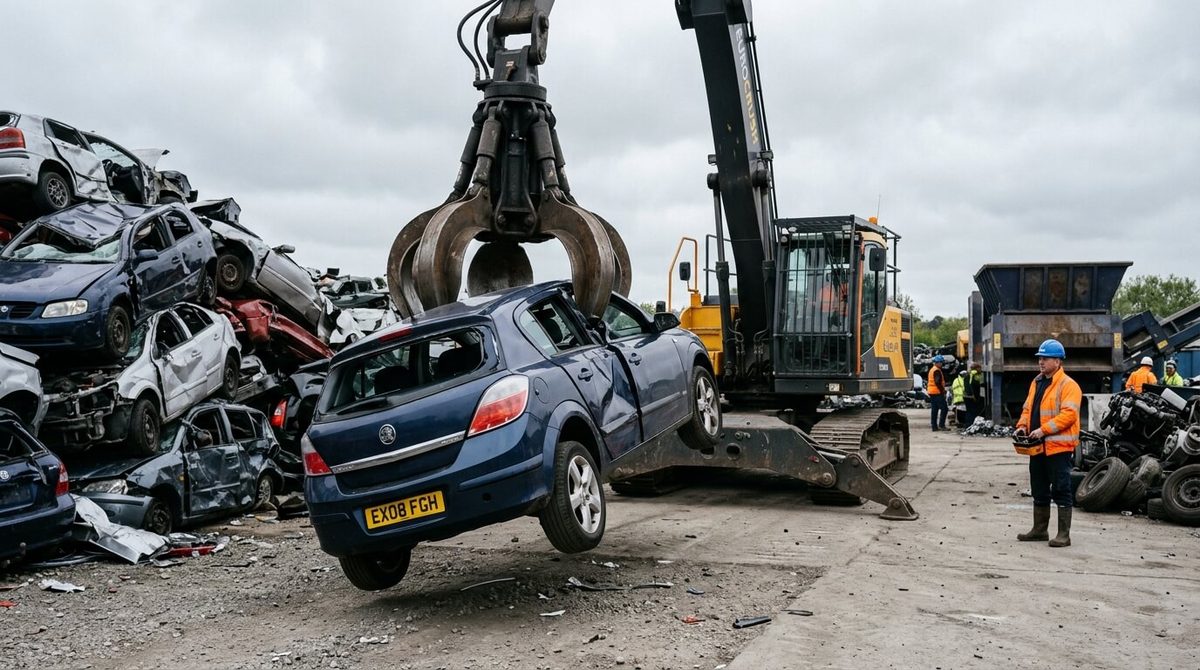
A Cat A vehicle is destined for the crusher in one piece. Nothing is salvaged, not the alloys, not the stereo, not a single door handle. The insurer takes ownership as part of the settlement and the car is destroyed under a controlled process.
A Cat B vehicle is slightly different in that a dismantler may strip usable parts from it, but the body shell itself must be crushed. The shell can never be repaired, re-shelled, re-plated or returned to the road. You cannot buy it back to fix, and you cannot keep it for a project. If somebody offers to sell you a Cat B car with an MOT and a plate on it, you are looking at a fraud, most likely a cloned identity stitched onto a scrapped shell.
Cat S and Cat N: retention is your call
For the repairable categories, the insurer will normally offer you the option of keeping the car. This is called retaining the salvage. You get the settlement, you keep the vehicle, and you become responsible for everything that happens to it from that point.
Before you decide, confirm what has actually been recorded rather than what the engineer said on the phone. Categories get revised, and the marker that ends up on the record is the one that follows the car for the rest of its life. A write-off check shows the recorded category and the date it was logged, which is also exactly what any future buyer of the car will see.
How retaining salvage works in practice
The mechanics are simple. Your insurer values the car at what it was worth immediately before the incident, then reduces that figure by the salvage value, which is what the wreck would have fetched from their salvage contractor. You receive the difference and you keep the car. The worse the damage, the lower the salvage value, so the more of the settlement you keep, and the more work you have taken on.
A few things to sort out before you sign anything:
- Ask for the retention deduction in writing, in pounds, before you accept the settlement.
- Ask which category has been reported and confirm it in the settlement letter.
- Check whether your policy allows retention at all. Some do not, and some restrict it by category.
- If the car is on hire purchase or PCP, the lender owns it until the agreement is settled, so retention needs their agreement and usually the finance cleared first.
- Get the salvage classification of any car you buy back yourself, in writing, from the seller.
- Sort out storage and recovery. The car has to leave wherever it is sitting, and it is no longer insured to be driven.
Re-registering a Cat S car with the DVLA
This is the step people miss. When a car is recorded as Cat S, the insurer notifies the DVLA and the existing V5C is cancelled. Once the repairs are done, you must apply to the DVLA for a new V5C before the car goes back on the road. The vehicle normally keeps its original registration number, but until that logbook is reissued you should treat the car as off the road and keep it declared SORN. GOV.UK sets out the process for scrapped and written off vehicles.
A Cat N car does not need re-registering, because the damage was not structural and the V5C is not cancelled. Repair it, tax it, insure it and drive it. The marker still exists on the record either way.
What it does to insurance and resale afterwards
Two consequences last for the rest of the car's life. The first is insurance. Some insurers will not quote at all on a previously written-off vehicle, some load the premium, and most will settle any future total loss at the reduced value of a recorded car. Declare the history when you take out a policy. Failing to disclose it can invalidate a claim later.
The second is resale. A recorded car is worth meaningfully less than an identical unrecorded one, and Cat S costs more than Cat N because structural damage worries buyers more. That gap does not close with time or with a flawless repair.
"The marker outlives the repair. A perfect job on a Cat S car is still a Cat S car ten years and three owners later."
You also inherit the disclosure duty. When you sell, you have to say so. Advertising a recorded car as unrecorded is a misdescription, and every buyer running a check on the registration will see the category and the date anyway.
The honest maths
Work it out on paper before emotion gets involved. Take the settlement you would receive if you let the car go. Then take the retention settlement, add what a proper repair will actually cost including parts, paint, a geometry check and any diagnostic work, and subtract what the car will be worth as a recorded vehicle when the job is done. If the second number is not clearly better than the first, let it go.
Retaining tends to make sense when the damage is cosmetic Cat N, you can do a lot of the work yourself, the car is unusually well specified or hard to replace, and you intend to keep it for years rather than flip it. It rarely makes sense when a bodyshop is doing the whole job at commercial rates, when the car is common enough to replace easily, or when you know you will be selling inside a couple of years.
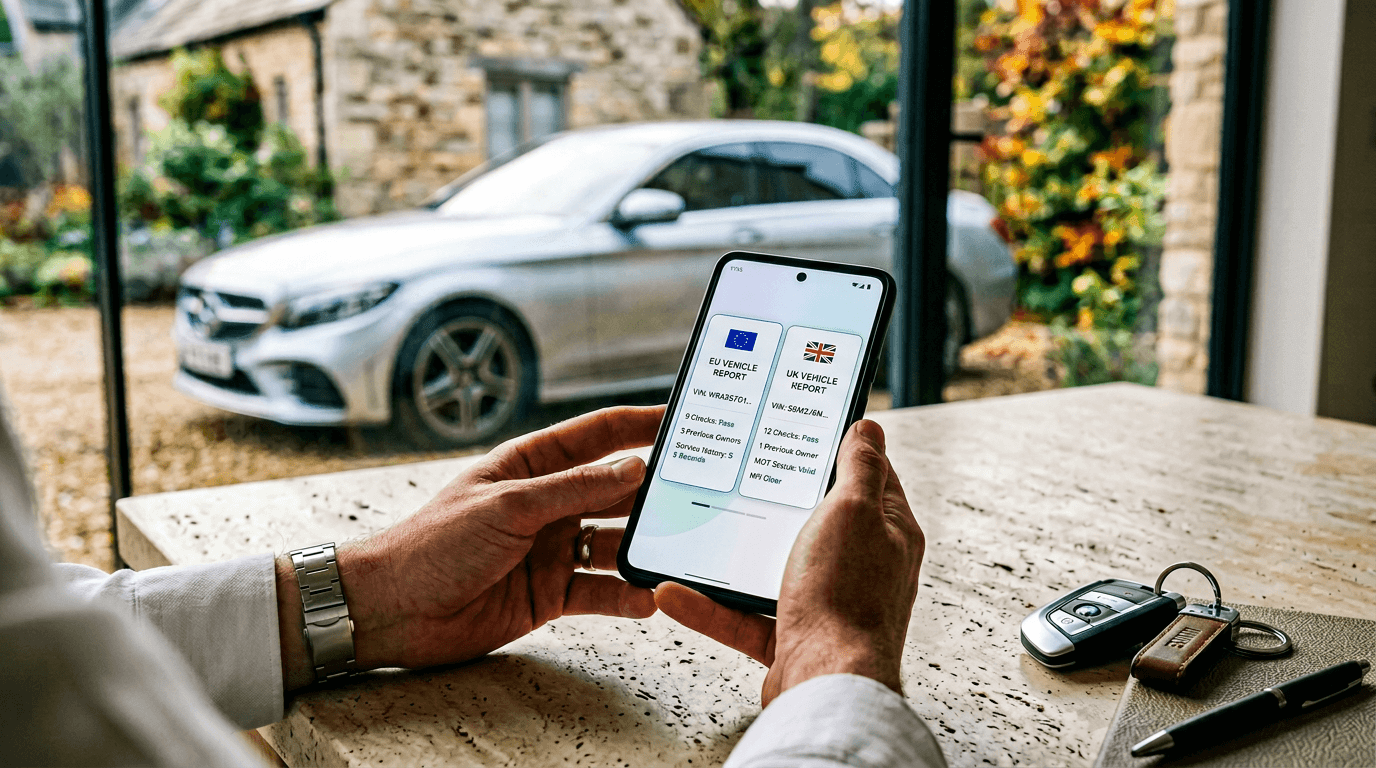
One thing a vehicle history report will not do is value the car for you. A Carpeep report covers the write-off marker, outstanding finance, stolen markers, mileage at every MOT and the keeper history. It does not cover valuations, service history or insurance status, so get your figures from live sale prices for the same model, and price the recorded version separately.
Key takeaways
- Cat A and Cat B cars must be destroyed. They cannot be retained for road use under any circumstances.
- Cat S and Cat N cars can be kept by retaining the salvage, which means accepting a lower settlement.
- A Cat S car must be re-registered with the DVLA before it returns to the road. Cat N does not.
- The marker is permanent and public. It affects insurance, resale value and your duty to disclose.
- Retention works best on light Cat N damage you can repair yourself and a car you plan to keep.
- Check the recorded category for £15 before you decide, and again before you buy any repaired car.